Synthesis
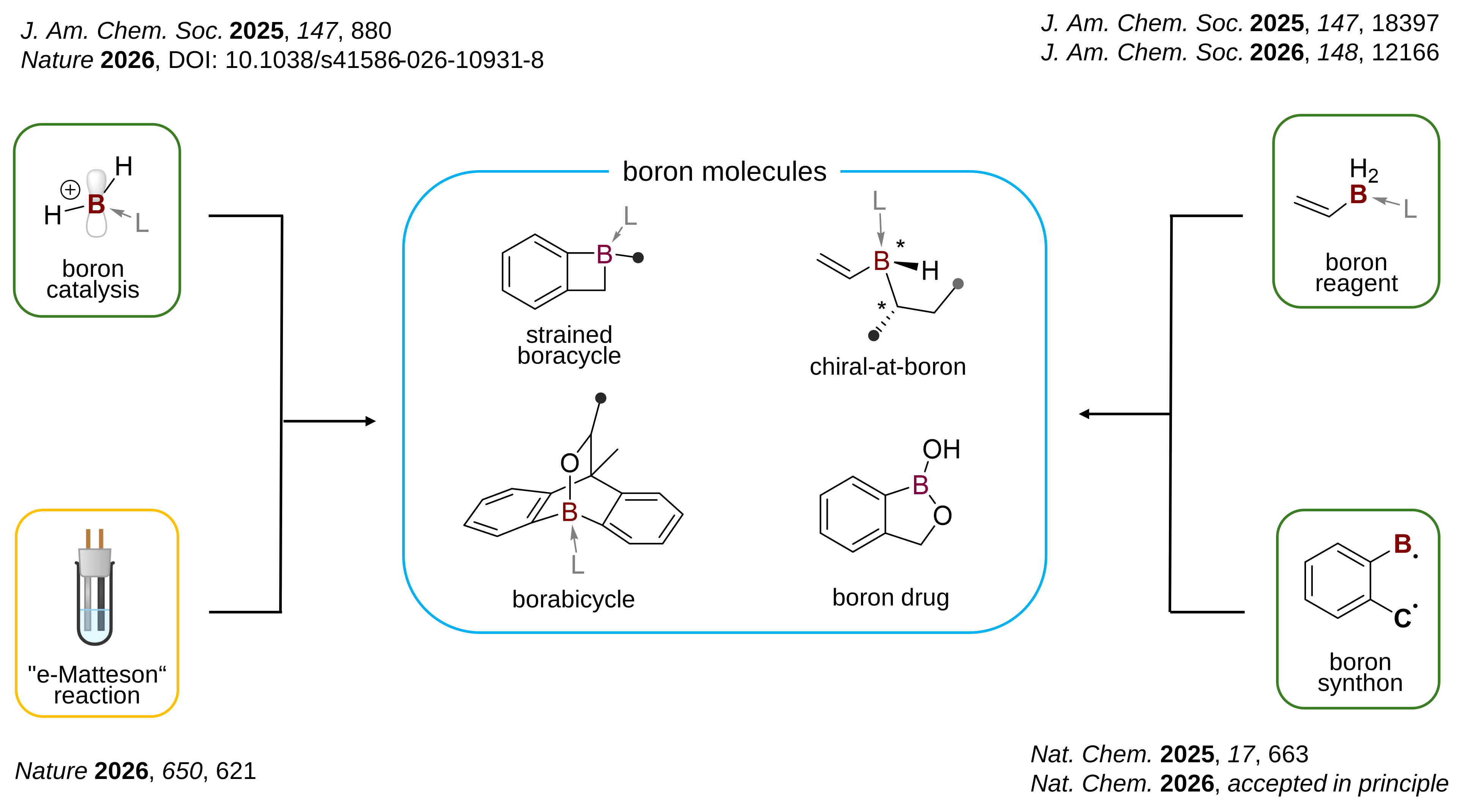
Boron-based medicines have attracted growing attention, due to boron’s unique electronic structure that confers specific interactions with biological targets and 10B’s neutron capture ability for anticancer therapy (BNCT). Despite progress, the field has been primarily bottlenecked by limited structural diversity and synthetic accessibility of organoboron compounds. Therefore, the development of new synthetic strategies to access structural complex organoboranes is highly desirable to expand their medicinal applications. Notably, many boron-containing molecules remain unexplored and potentially patentable. Taking these into consideration, we have devoted efforts to the following four aspects:
| 1) design of new synthons | 2) engineering new boron catalysis |
| 3) development of new boron reagents | 4) integration of new technology |
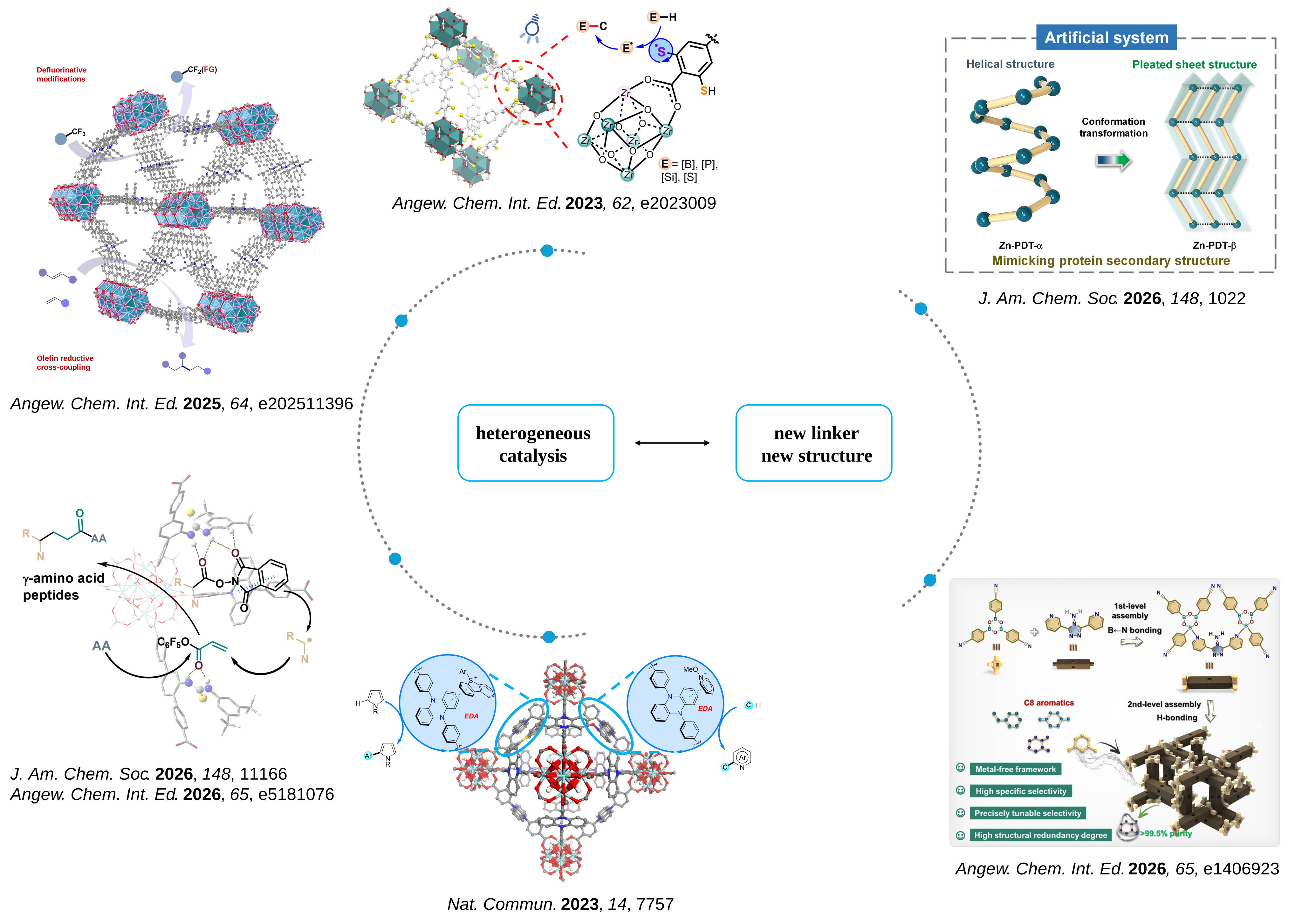
Catalysis
Industry commonly prefers heterogeneous catalysis for its efficiency and economy. However, its adoption in fine chemical preparation, particularly drug synthesis, is limited by challenges in selectivity control. We address this gap by heterogenizing non‑metal catalytic centers to improve and, in some cases, enable catalytic behavior. Our heterogeneous catalysis permits the synthesis or modification of bioactive/drug molecules.